

Selecting a Ceramic Countertop Basin
Choosing the right basin for your bathroom or kitchen can significantly impact both the aesthetics and functionality of the space. Among the many options available, ceramic basins stand out for their timeless appeal and durability. This guide will walk you through the essential factors to consider when selecting a ceramic basin, helping you make an informed decision that suits your needs and style.
Key Considerations When Selecting a Ceramic Basin
When selecting a ceramic basin, several factors come into play to ensure you pick the perfect fit for your space. Here are the main points to keep in mind:
Size and Shape
The size of the basin should complement the available countertop space without overwhelming it. Measure your countertop carefully before making a choice. Ceramic basins come in various shapes, including round, oval, square, and rectangular. The shape you choose should align with your bathroom or kitchen design theme.
Round and oval basins offer a softer, more traditional look.
Square and rectangular basins provide a modern, sleek appearance.
Installation Type
Ceramic basins can be installed in different ways:
Countertop basins sit on top of the counter, making them easy to install and replace.
Undermount basins are fixed beneath the countertop, offering a seamless look.
Inset basins fit into a cut-out in the countertop, providing a classic style.
Each installation type has its pros and cons, so consider your preferences and the existing setup.
Durability and Maintenance
Ceramic is known for its durability and resistance to stains and scratches. It is also easy to clean, requiring only mild detergents and a soft cloth. However, avoid abrasive cleaners that can damage the surface.
Style and Finish
Ceramic basins come in various finishes, from glossy to matte. A glossy finish reflects light and can make a small bathroom appear larger, while a matte finish offers a more understated, contemporary look.
Budget
Prices for ceramic basins vary widely depending on size, design, and brand. Set a budget before shopping to narrow down your options and avoid overspending.

Tips for Selecting a Ceramic Basin That Fits Your Space
Selecting a ceramic basin involves more than just picking a pretty design. Here are some practical tips to help you choose wisely:
Match the Basin to Your Faucet
Ensure the basin you select is compatible with your faucet type. Some basins come with pre-drilled holes for taps, while others require wall-mounted or countertop taps. Check the specifications carefully.
Consider the Basin Depth
The depth of the basin affects water splash and usability. A deeper basin reduces splashing but may be less comfortable for some users. Measure the height from the countertop to the basin rim to ensure comfort.
Think About Overflow Features
Some ceramic basins include an overflow hole to prevent water from spilling over. This feature is especially useful in busy households or commercial settings.
Coordinate with Your Bathroom Style
Choose a basin that complements your overall bathroom design. For example, a vintage-style basin pairs well with traditional fixtures, while a minimalist basin suits modern interiors.
Explore Colour Options
While white is the most common colour for ceramic basins, some manufacturers offer coloured options. A coloured basin can add a unique touch to your bathroom but make sure it matches other elements in the room.

What are the cons of a ceramic sink?
While ceramic basins have many advantages, it is important to be aware of their potential drawbacks:
Susceptibility to Chipping and Cracking
Ceramic is a hard material but can chip or crack if heavy objects are dropped on it. Careful handling is necessary to maintain its pristine condition.
Weight Considerations
Ceramic basins can be heavier than alternatives like acrylic or stainless steel. This may require additional support during installation, especially for wall-mounted models.
Limited Repair Options
If a ceramic basin is damaged, repairs can be difficult and sometimes impossible to make invisible. In many cases, replacement is the only option.
Cost
High-quality ceramic basins can be more expensive than other materials. However, their durability often justifies the investment.
Staining and Discolouration
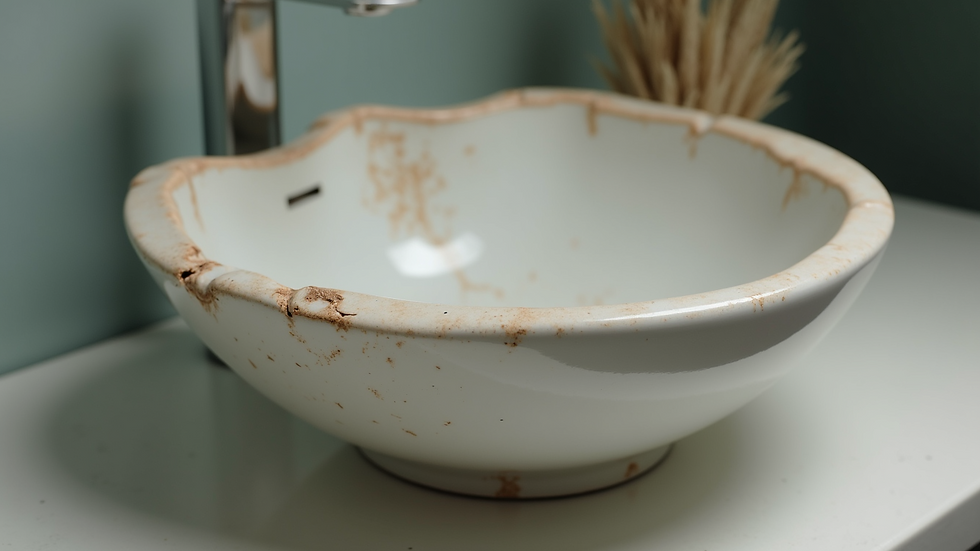
Although ceramic is generally stain-resistant, harsh chemicals or prolonged exposure to coloured substances can cause discolouration over time.
How to Care for Your Ceramic Basin
Proper care will extend the life and appearance of your ceramic basin. Follow these simple maintenance tips:
Clean regularly with a soft cloth and mild detergent.
Avoid abrasive cleaners and harsh chemicals.
Wipe up spills immediately to prevent staining.
Use a basin protector or mat if you frequently place heavy items in the basin.
Check for leaks around the basin and faucet to prevent water damage.
By following these guidelines, your ceramic basin will remain a beautiful and functional feature in your home for years to come.
Where to Find Quality Ceramic Basins
When shopping for a ceramic basin, it is important to buy from reputable suppliers who offer quality products and good customer service. One reliable option is ceramic countertop basin, which provides a wide range of styles and sizes to suit different needs.
Before purchasing, read customer reviews and ask about warranties or guarantees. This will give you peace of mind and ensure you get the best value for your money.
Selecting the right ceramic basin involves balancing style, function, and budget. By considering the factors outlined in this guide, you can confidently choose a basin that enhances your space and meets your daily needs. Whether renovating a bathroom or designing a new kitchen, a ceramic basin is a classic choice that combines elegance with practicality.